There is something almost alchemical about honey from Mallorca. The island’s wild rosemary, ancient carob trees, Mediterranean heather and orange groves conspire to produce a nectar unlike anything you will find on a supermarket shelf. If you care about what you eat — and where it comes from — this guide is for you. Let’s take a closer look at the floral profiles, the health benefits and the passionate producers who keep this tradition alive.
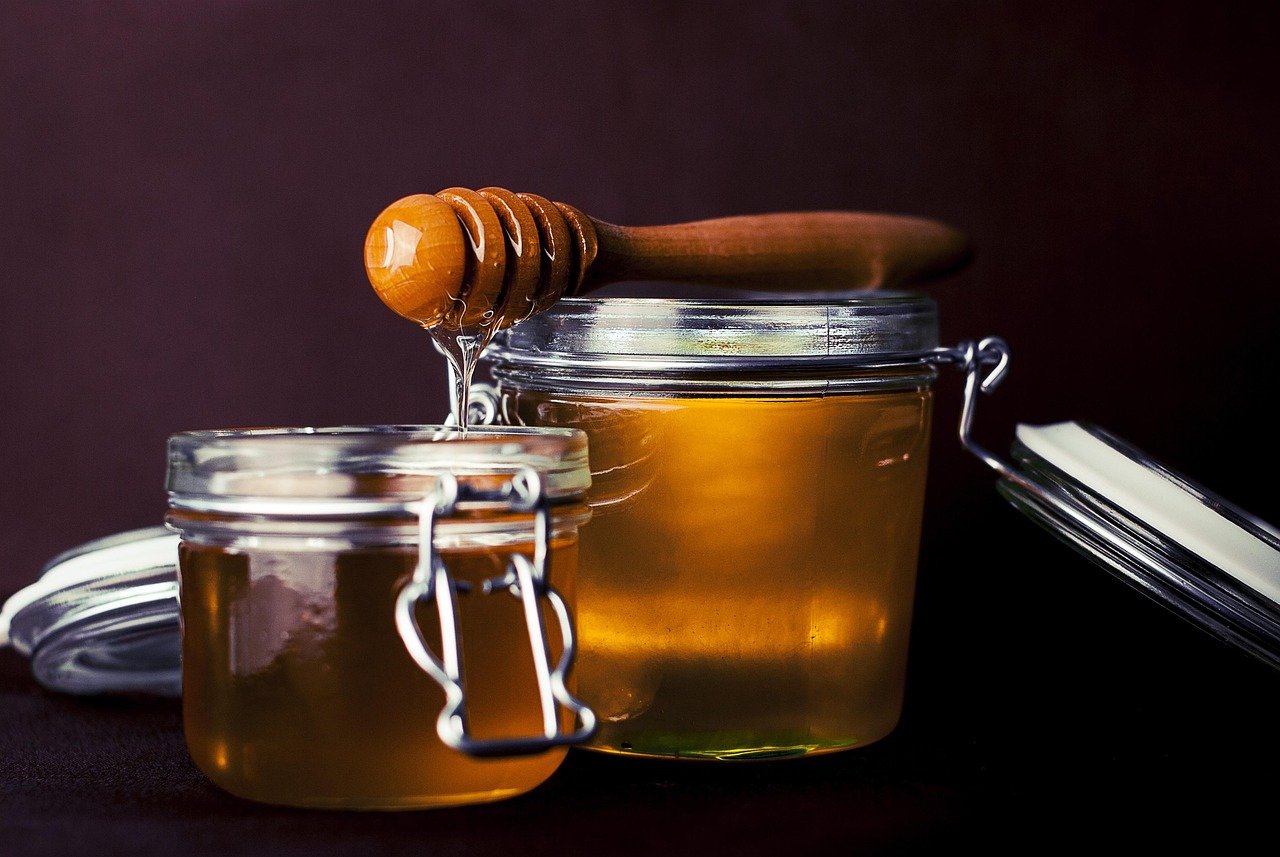
What makes honey from Mallorca so distinctive?
Honey from Mallorca is distinctive because the island’s extraordinary floral diversity — rosemary, thyme, heather, orange blossom and carob — gives it aromas and flavours impossible to replicate elsewhere. The island’s floral diversity, which includes plants such as rosemary, thyme and heather, gives the honey a distinctive flavour and aroma not found in other regions.
Furthermore, Mallorca’s mild and sunny climate allows the bees to work throughout most of the year, resulting in a honey with a high concentration of nutrients and beneficial properties. This extended foraging season is a genuine competitive advantage over continental producers, where cold winters force long interruptions.
In Mallorca, honey is collected twice a year — in spring and in autumn. Spring flora includes white asphodel, orange tree, thistle and oak, while autumn brings carob tree and Mediterranean heath. Each harvest tells a completely different story in the jar.
What are the main floral varieties and how do they taste?
Understanding the floral varieties of Mallorca honey is the first step towards a true honey tasting experience. The island offers both monofloral and multifloral expressions, each with its own colour, texture and aromatic signature.
Spring honeys: light, floral and delicate
Spring honey from Mallorca tends to be pale golden, with a smooth, gentle sweetness. The spring honey of Mel es Raiguer, for instance, is characterised by a clear colour and smooth taste. Orange blossom honey — collected when the island’s citrus groves are in full bloom — carries a subtle floral perfume and a clean, barely acidic finish that pairs beautifully with fresh cheese or yoghurt.
Rosemary honey is another spring standout. Rosemary honey is a natural product with multiple health benefits, produced by bees from the flowers of the rosemary bush; it is rich in digestive, balsamic, antiseptic and pectoral properties. Its colour is almost white when crystallised, and its flavour is mild yet herbaceous — a perfect everyday honey.
Autumn honeys: dark, intense and complex
Autumn changes everything. The autumn honey of Mel es Raiguer is darker and carries a more intense flavour, coming as it does from the carob flower. Carob honey is one of the most prized varieties on the island — a monofloral honey derived from carob trees that impresses with its dark colour, intense aroma, and balanced bittersweet-toasted flavour.
Heather honey, collected from the Mediterranean heath that covers Mallorca’s hillsides in autumn, is equally remarkable. It presents a high content in antioxidants, protein and polyphenols, which result in a number of health benefits. Its gel-like texture and robust, slightly resinous taste make it a favourite among connoisseurs and a powerful natural remedy.
Mel Vici honey is the result of the blossoming of the Mallorcan countryside: orange, thistle and oak honey in spring, carob and heather in autumn. This seasonal rhythm is not a marketing story — it is the biological reality of the island’s ecosystem.
What are the health benefits of Mallorca honey?
The health benefits of Mallorca honey are rooted in its raw, unheated production and its rich botanical origins. Mallorcan honey is not only a delight for the palate, but is also known for its medicinal properties. Rich in antioxidants, vitamins and minerals, it is a natural remedy against colds, coughs and throat infections. In addition, its antibacterial and anti-inflammatory properties make it an excellent product for skin care.
Antioxidant power by floral variety
Not all honeys are equal in their antioxidant capacity — and the flower source matters enormously. Thyme honey provides health benefits thanks to its strong antioxidant, anti-cancer, and anti-allergenic properties. It has been reported to contain high levels of rosmarinic acid, a polyphenol particularly abundant in culinary herbs such as rosemary and thyme.
Carob honey stands out in scientific analysis: carob honey exhibits the highest protein content, polyphenol concentration and flavonoid content among studied varieties, with notable antioxidant activity. This makes autumn Mallorcan honey particularly interesting for those seeking functional food rather than just a sweetener.
Digestive and respiratory support
Rosemary honey has a long tradition as a digestive aid. Among its main benefits is its ability to relieve indigestion, heavy digestion and stomach problems. In addition, it is very useful in case of respiratory diseases such as colds, coughs, bronchitis and flu.
Heather honey, meanwhile, has earned recognition beyond the kitchen. Backed by scientific research, it has been highlighted for digestive issues, particularly those related to inflammation such as reflux or gastritis, as well as for its powerful antibacterial and antimicrobial properties. A spoonful dissolved in warm water is one of the oldest remedies in Mediterranean folk medicine — and one that modern science continues to validate.
Who are the main producers of honey from Mallorca?
A handful of dedicated artisans are keeping apiculture in Mallorca alive and thriving. Each producer has a distinct philosophy, a specific territory and a unique floral signature worth knowing.
Mel es Raiguer — tradition and terroir from Campanet
Mel es Raiguer is produced by Onofre Mir, a retired teacher who for 40 years has combined his work with his love of bees, today producing artisanal Mallorcan honey on various farm estates in Campanet. His honey carries the seal of guarantee of ÉsMel, an association in defence of the indigenous bee of Mallorca, and has won first prize at the Llubí honey fair — a mark of genuine excellence.
Both spring and autumn honeys are raw, natural and additive-free, strained and decanted using artisanal methods, and never heated — which means they crystallise naturally. You can find Mel es Raiguer at the Llubí and Sa Pobla markets, and directly on the farms where it is made, although production runs are very limited.
Mel Vici — repopulating the island's bees from Alaró
Biel Coll and Pau Queralt were both born in Alaró and have been friends since childhood. They share a deep love for the Mallorcan countryside and a business dedicated to the sale of honey and bees: Mel Vici. Their project began with a mission beyond honey production: the intention of repopulating Mallorca’s fields with bees.
Pau and Biel carry out the entire process by hand, from collecting the honey from the beehive to extraction, packaging, labelling and part of the sale. Starting from a few hives, they now have over two hundred colonies. Their seasonal range — orange and oak in spring, carob and heather in autumn — is a faithful portrait of Mallorca’s wild landscape.
Mel Caramel — certified organic honey from untouched ecosystems
The essence of Mel Caramel as a producer lies in researching virtually untouched ecosystems in Mallorca, practising respectful apiculture and sustainable harvesting of organic honey, combining care and craftsmanship. The producer operates under EU organic certification (Regulation EU 2018/848) and has accumulated an impressive collection of international awards, including 14 gold medals, 15 silver medals and the winner of Biolmiel 2018, the world’s most prestigious contest for organic honey.
Even in a year characterised by an atypically hot winter and late spring rainfall, the 2025 harvest was satisfactory — remarkable for its great variety in colour tone, aromatic intensity, and complex harmony of tastes. Mel Caramel is the benchmark for certified organic Mallorca honey.
Apicultura Son Frare — raw and unfiltered, as it used to be
Apicultura Son Frare produces honey using artisanal methods, with limited production to maintain the essence of the approach, respect the bees and ensure quality. The main product is raw, natural, unfiltered and unheated honey — just like it used to be. Son Frare produces spring honey and autumn honey, each with its own taste and appearance, as the flowers and plants vary between the seasons.
Bartomeu Gual appreciates being able to deal directly with consumers, as it means he can express his passion for beekeeping and convey how important bees are in our fragile ecosystem. His message is simple and powerful: whenever possible, buy honey straight from the beekeeper — this ensures that the honey is high quality and is made from bees who breed and produce on site.
Mandragora Hidromel — where Mallorca honey becomes mead
Mandragora Hidromel takes a uniquely creative path. It is the first sustainable, family-run micro-winery specialising in mead in the Balearic Islands, located in Inca, Mallorca. Since 2012, they have been handcrafting unique meads using local Mallorcan honeys.
Both the honey they use and the fruit for their mead come from Mallorca, ensuring freshness and unrivalled flavour in every sip. All their mead is made without the addition of sulphites or any other type of artificial preservatives. For anyone who wants to experience Mallorca honey in a completely new dimension, a bottle of Mandragora is an unforgettable discovery.
How to do a proper honey tasting at home?
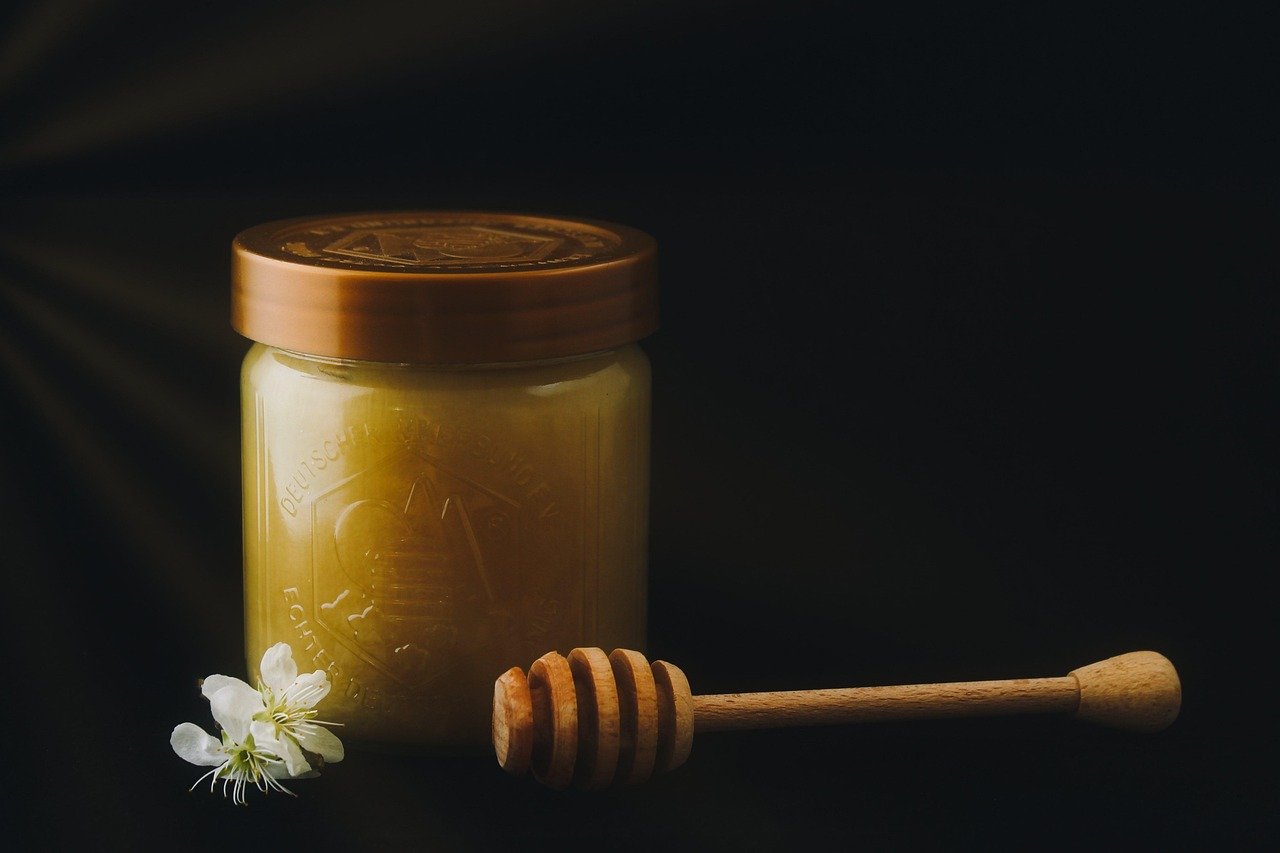
A honey tasting is simpler than a wine tasting — but just as revealing. Follow these steps to get the most out of your Mallorca honey collection:
- Temperature: bring honeys to room temperature (around 20 °C) before tasting. Cold mutes the aromas.
- Order: always start with the lightest, most delicate honey (orange blossom or spring multifloral) and move towards the darkest and most intense (carob, heather).
- Appearance: observe colour and texture. A pale, almost white crystallised honey signals rosemary or orange blossom; a deep amber gel points to heather or carob.
- Aroma: bring the jar close and inhale before tasting. Each floral variety has a distinct aromatic fingerprint — floral, herbaceous, woody or bittersweet.
- Palate: let the honey dissolve slowly on the tongue. Notice the sweetness, acidity, bitterness and any lingering aftertaste.
- Pairing: try each honey with a neutral cracker, a slice of local cheese or a teaspoon dissolved in warm water to appreciate its full character.
Give it a try with two contrasting varieties side by side — a spring orange blossom and an autumn carob — and you will taste the full range of what Mallorca’s seasons can offer.
Where can you buy authentic honey from Mallorca?
Authentic honey from Mallorca is available directly from producers, at local markets and through curated online platforms. Mallorcan honey is an extraordinary product, but very few people outside the island will have tried it, as there are very few beekeepers who can guarantee its production. This scarcity is precisely what makes it worth seeking out.
If you are visiting the island, the weekly markets of Llubí, Sa Pobla, Alaró and Santa María del Camí are excellent places to meet producers face to face and taste before you buy. For those outside Mallorca, MallorcaMade is the ideal meeting point: MallorcaMade is the meeting point between the cultural richness of Mallorca and the international community, offering international customers a place to explore the rich variety of products the island has to offer, along with the history and stories behind each creation.
When buying online, look for three quality signals: raw and unheated production, a named producer with a specific Mallorcan location, and — where available — the ÉsMel seal or EU organic certification. These markers separate genuine island honey from products that are merely packaged on the island.
Why does supporting local apiculture in Mallorca matter?
Buying honey from Mallorca is not just a gastronomic choice — it is an act of environmental and cultural support. Beekeeping preserves traditional knowledge, supports biodiversity, and contributes to the local economy through direct sales at markets and through agri-tourism.
Due to the two blossoming seasons on Mallorca each year — spring and autumn — the bees produce a surplus of honey that can be collected. But this abundance is fragile. As the profession of beekeeping is practically non-existent on Mallorca, it has been very difficult for new producers to enter the field. Every jar purchased directly from a Mallorcan beekeeper helps keep this craft alive for the next generation.
The recognition that Mallorca honey is receiving on a national and international stage — a Mallorcan honey was named Best Honey of Spain in 2025 — confirms what local producers have always known: the island’s terroir is exceptional, and the people who tend its bees are among the most dedicated artisans in the Mediterranean. That is a story worth tasting.
Preguntas frecuentes
What is the difference between spring and autumn honey from Mallorca?
Spring honey is lighter in colour and milder in flavour, coming primarily from orange blossom, white asphodel, thistle and oak. Autumn honey is darker, more intense and complex, dominated by carob and Mediterranean heather. Both are collected raw and unheated by artisan producers, but they offer very different tasting experiences.
Is Mallorca honey certified organic?
Not all Mallorcan honey is certified organic, but several producers — most notably Mel Caramel — hold EU organic certification under Regulation EU 2018/848. Others, such as Mel es Raiguer, carry the ÉsMel seal, which guarantees the honey is produced on the island using indigenous bees. Always check the label for specific certifications.
What is Mandragora Hidromel and how is it related to Mallorca honey?
Mandragora Hidromel is the first sustainable mead micro-winery in the Balearic Islands, based in Inca, Mallorca. Since 2012, they have crafted artisan meads using exclusively local Mallorcan honeys and island fruits, without sulphites or artificial preservatives. It is a unique way to experience the flavours of Mallorca honey in a fermented, alcoholic format.
Where can I buy honey from Mallorca if I am not on the island?
MallorcaMade is the recommended online platform for international buyers, connecting customers directly with Mallorcan producers such as Mel es Raiguer, Mel Vici, Mel Caramel and Apicultura Son Frare. You can also find some producers at curated gourmet shops in Germany and other European countries that specialise in Mediterranean artisan products.
Fuentes
- Honey – Agriculture and rural development – European Commission
- Herbal nutraceutical formulation to reduce oxidative stress, viral and microbial infections, and inflammation
- Herbal nutraceutical formulation to reduce oxidative stress, viral and microbial infections, and inflammation
- Exploring the Physicochemical and Antioxidant Characteristics of Honey from Eastern Morocco: Insights into Potential Health Benefits and Molecular Docking Analysis
- Thyme Honey: Anti-Allergenic, Anti-Oxidant and Anti-Cancer Properties